Efficient Pest Management Solutions: Keep Your Home Free from Pests Throughout the Year
Maintaining a pest-resistant home demands a strategic approach. Common pests invade for multiple causes, including food sources and refuge. Effective preventative measures serve a crucial part in keeping these unwanted visitors at bay. Quick responses to pest emergencies can create a substantial difference. Comprehending the balance between natural remedies and chemical treatments is essential. Yet, many property owners ignore the subtleties of ongoing maintenance and inspection. What steps can be taken to guarantee sustained effectiveness?
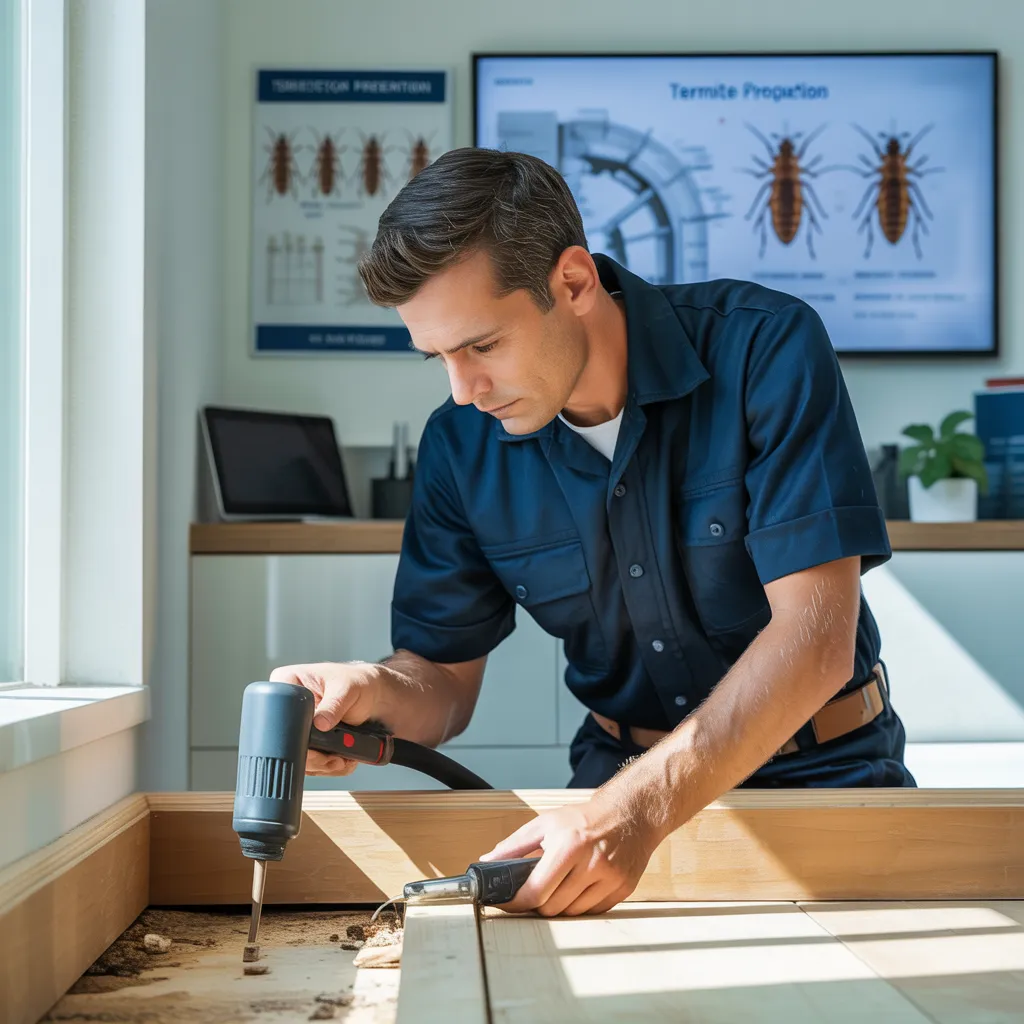
What Insects Are Prevalent and Why They Enter Your Home?
What prompts pests to access homes? Varied factors entice common pests, including rodents, ants, and cockroaches. Food sources, such as crumbs and spills, constitute considerable lures, providing easy access to sustenance. Additionally, moisture is a critical factor, with damp areas in kitchens and bathrooms creating favorable conditions for infestations.
Shelter serves as a essential factor; insects search out small openings and disorganized areas to build homes and take shelter from predators. Weather variations can worsen these infestations, especially during colder months when insects pursue heat.
Various areas, like gardens and overgrown vegetation, can further tempt pests, offering both food and concealment. Comprehending these motivations helps homeowners grasp the importance of maintaining a clean, dry, and well-sealed environment to repel unwanted guests. By tackling these elements, the likelihood of pest invasions can be considerably curtailed.
Strong Preventative Methods to Keep Pests Away
To effectively keep pests at bay, people should focus on closing access routes, maintaining a clean environment, and conducting regular inspections. These proactive measures establish defenses that discourage insects from entering homes and create an unwelcoming environment. Applying these methods can significantly decrease the likelihood of infestations.
Protect Access Areas
Sealing access points stands as an important step in effective pest control, as it significantly reduces the risk of infestations. Pests often enter homes through small gaps and cracks in walls, windows, and doors. It is crucial for homeowners to conduct a detailed inspection, identifying vulnerable areas such as utility lines, vents, and foundation cracks. Using materials like caulk, weather stripping, and mesh screens can efficiently block these access points. Regular maintenance is critical, as wear and tear can create new openings. By taking proactive measures to seal entry points, homeowners can markedly diminish the risk of pests infiltrating their living spaces, thereby contributing to a cleaner and more comfortable environment.
Preserve a spotless area
A clean environment acts as a strong defense against pests, markedly reducing the likelihood of infestations. Regular cleaning practices, including vacuuming and dusting, remove food particles and potential nesting sites, making homes less attractive to insects and rodents. Correct garbage disposal is essential; storing garbage in sealed containers stops pests from being attracted to odors. Additionally, cleaning spills and crumbs promptly deters pests from establishing a presence. Attention should also be given to exterior spaces; maintaining gardens and yards, like trimming overgrown plants, can deter pests from entering the home. By fostering a perpetually tidy environment, homeowners can notably enhance their pest prevention efforts, creating a less hospitable atmosphere for unwanted intruders throughout the year.
Consistent Inspections Important
Keeping a clear environment is essential, and regular inspections hold equal importance in preventing pest infestations. Homeowners should perform thorough checks of both interior and outside locations, focusing on typical problem areas such as basements, attics, and the areas around windows and doors. These inspections help in identifying early signs of pest activity, including droppings or damaged materials. Additionally, seasonal inspections can reveal vulnerabilities caused by changing weather conditions, allowing for timely interventions. Engaging professional pest control services for detailed assessments can further improve prevention efforts. By prioritizing regular inspections, individuals can guard their homes and maintain a proactive stance on pest management, greatly reducing the risk of an infestation taking hold.
Techniques for Managing Fast Pest Emergencies
During pest emergencies, quick identification of the unwanted creature is vital for successful management. Recognizing the specific species permits the application of precise control methods. Swift action not only decreases damage but also avoids recurring pest issues.
Recognize The Pest Swiftly
How can homeowners properly respond to insect problems? The first step is quickly determining the pest. Knowing the specific pest type allows targeted action and avoids further infestation. Homeowners should examine key features such as size, color, and behavior, while noting the pest's location. Making use of online sites or pest ID apps can help this process. Also, keeping a pest journal assists in tracking sightings and patterns, making it easier to identify repeated issues. When uncertain, consulting a pest control professional can provide clarity and expert advice. Quick identification not only supports immediate response but also informs long-term prevention plans, ensuring a pest-free environment year-round.
Deploy Prompt Governance Measures
Responding swiftly is crucial when a pest infestation occurs. Immediate control measures can considerably reduce damage and decrease health risks. First, inspect the situation to determine the type of pest and infestation level. This evaluation informs the choice of suitable treatment methods. For insects like ants or cockroaches, traps or insecticides can be applied swiftly. In situations with larger pests such as rodents, sealing entry points and setting traps is critical. It’s important to practice safety by using protective gear when handling chemicals. If the infestation is severe, contacting a professional pest control service is advisable. Quick response not only addresses the immediate danger but also prevents pests from becoming a recurrent problem.
Selecting Between Organic Solutions and Chemical Treatments for Pest Management
When it comes to exterminating pests, should homeowners prefer natural remedies or chemical treatments? This decision often depends on personal preferences, effectiveness, and environmental concerns. Natural remedies, such as diatomaceous earth, essential oils, and vinegar solutions, appeal to those seeking eco-friendly options. They tend to be safer for children and pets, but may require more frequent applications and can be less potent of chemical solutions.
Conversely, chemical methods, such as insecticides and rodenticides, often offer immediate and effective outcomes. Nevertheless, they can bring health risks and might cause pests to develop resistance over time. Homeowners should evaluate the pros and cons of each approach, keeping in mind factors like the severity of the infestation, the presence of vulnerable individuals in the home, and long-term sustainability. In the end, a combined approach that uses both techniques could produce the best results for maintaining a pest-free environment.
When Do You Need to Call a Pest Removal Expert?
Deciding the suitable time to reach out to a pest control specialist can greatly influence the success of pest control efforts. Homeowners ought to consider reaching out to a professional when they spot signs of an pest problem that exceeds their capability to manage, such as a substantial presence content of rodents or insects. Furthermore, if do-it-yourself approaches don't yield results after a adequate time period, it might be prudent to obtain professional help.
An extra critical element is the possible health hazards associated with specific pests. For example, termites can cause building damage, while cockroaches may trigger allergies or asthma. Moreover, if pests are detected in sensitive areas like kitchens or bedrooms, expert involvement is advisable. Ultimately, if the pest problem is ongoing or repetitive, an expert can offer an comprehensive evaluation, guaranteeing a sustained solution rather than temporary relief. Recognizing these scenarios promptly can lead to a more efficient and effective pest control strategy.
Throughout the Year Tips for Ensuring a Pest-Control Home
After learning when to find professional pest control assistance, homeowners can adopt defensive strategies to sustain a pest-free environment continuously. Regular inspections are important; checking for signs of infestations, such as droppings or nests, can help catch difficulties beforehand. Seal any cracks or gaps in structural components and entryways to prevent unwanted creatures from entering. Upholding sanitation is imperative; promptly cleaning up dropped food particles and keeping supplies in sealed boxes can discourage pests.
Seasonal responsibilities also play a role. In spring, homeowners should clear debris from yards and prune excessive bushes. In fall, ensuring gutters are clean and downspouts steer water away from the foundation can diminish moisture, attracting pests. Finally, utilizing natural deterrents, such as essential oils or diatomaceous earth, can deliver an effective, eco-friendly strategy to pest management. By implementing these strategies, homeowners can markedly reduce their risk of infestations year-round.
Often Asked Questions
How Can Climate Variations Influence Insect Activity Inside Buildings?
Climate variations substantially impact indoor pest activity. Warmer temperatures may accelerate insect reproduction, while humidity can foster infestations. Conversely, colder conditions often propel pests indoors, looking for shelter and food, thereby escalating indoor pest problems.
Do Companion animals Bring Pests Into Your Home?
Pets may certainly introduce pests into your home. Their fur, food, and waste frequently function as draws for fleas, ticks, and rodents, heightening the probability of infestations if not properly managed and prevented.
What Function Does Landscaping Perform in Managing Pests?
Strategic landscaping proves essential to pest control by controlling available habitat. Proper plant selection, regular maintenance, and strategic placement work together to effectively deter pests, remove shelter options for pests, and strengthen natural predator presence, ultimately promoting overall environmental wellness.
Are There Specific Times of Year When Pests Are More Active?
Pests are usually more busy during hot weather periods, in particular spring and summer, when it gets hotter and food sources are plentiful. Fall may see heightened movement as species get set for winter, seeking shelter and sustenance.
What Steps Can I Take to Identify the Starting Point of My Pest Infestation Problem?
To identify the source of a pest problem, one must examine possible entry points, assess food storage areas, and check for signs of infestation, including droppings or nests, to determine where the infestation started.